When Garage Door Repairs Become Urgent
Most garage door emergencies don’t begin as emergencies—they begin as small changes that are easy to ignore. A slight delay. A new sound. A door that doesn’t close as cleanly as it used to. For a while, everything still works, and that makes it easy to assume the problem can wait.
But there’s a point where waiting is no longer the safe option.
In homes across Solon, Cleveland, and Akron, garage door issues tend to follow a predictable pattern. What starts as a minor inconvenience can quickly become an urgent repair once the system reaches its limit. The challenge is recognizing when that shift happens—when a repair moves from something that can be scheduled later to something that needs immediate attention.
When the Door Stops Being Reliable
A garage door doesn’t need to fail completely to become urgent. It only needs to stop behaving predictably.
If the door hesitates, jerks during movement, or responds inconsistently to the opener, those are early signs that the system is under strain. While it may still complete its cycle, that inconsistency introduces risk into something that should be controlled and repeatable.
A system you can’t predict is a system you can’t fully trust. And when that trust starts to slip, urgency follows quickly.
When the Door Feels Heavier Than It Should
One of the clearest signs that a situation is becoming urgent is a noticeable change in weight. If the door suddenly feels heavier or harder to lift, that’s not just wear—it’s a shift in how the system is functioning.
Garage door springs are designed to act as a counterweight to the door itself. When they are working properly, they offset the weight of the panels, allowing the system to move smoothly with minimal effort. But as springs weaken, they lose that ability.
Maxim Geht of Ohio Garage Door Repair explained that this is often the first stage of a spring’s final failure. When the counterbalance weakens, the opener is forced to pull what is essentially hundreds of pounds of dead weight.
At that point, the system is no longer operating safely. What feels like a manageable issue can quickly become dangerous if the spring gives out completely, because the door is no longer supported the way it was designed to be.
A Door That Won’t Fully Close Is a Security Risk
A garage door that refuses to close all the way is more than a minor inconvenience—it’s an immediate vulnerability.
Even a gap of an inch or two along the ground can create a security issue. It may not seem like much, but that opening can provide just enough space for leverage. In areas like Solon, where homeowners prioritize security, a door that doesn’t seal flush against the concrete becomes a weak point.
In many cases, the cause is something simple, like sensor misalignment or a small obstruction interrupting the beam. The problem is not always complex—but the risk it creates is real.
A door that remains partially open is not just unfinished—it’s exposed. And in situations like that, the repair becomes urgent regardless of how minor the underlying issue may seem.
When Safety Sensors Can’t Be Trusted
Garage door sensors are designed to prevent accidents by stopping the door when something is in its path. When they work properly, they are one of the most important safety features in the entire system.
But when sensors become misaligned, dirty, or inconsistent, they create a different kind of risk. The system may behave unpredictably—sometimes stopping when it shouldn’t, and other times failing to react when it should.
That inconsistency removes a layer of protection that homeowners often assume is always there. A door that cannot reliably detect obstacles introduces risk every time it operates.
As he pointed out, the issue isn’t always obvious. The system may appear functional, but its ability to respond correctly has already been compromised.
Loud or Sudden Noises That Change Everything
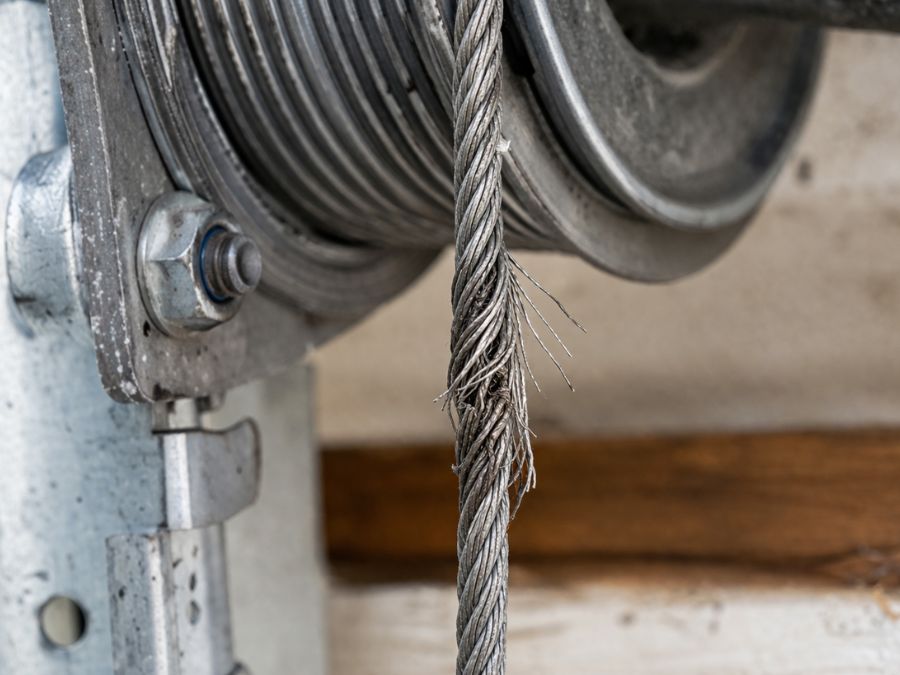
Not all garage door noise signals a problem, but certain sounds should never be ignored. A sharp bang, a snapping sound, or sudden grinding usually indicates that something within the system has failed or is about to.
These are not gradual warning signs. They are immediate signals that the condition of the system has changed.
Once those sounds occur, continuing to operate the door without understanding the cause can make the situation worse. What might have been a contained issue can quickly affect other components if the system is pushed further.
This is one of the clearest points where a repair crosses into urgent territory.
The Hidden Risk of the Emergency Release
When something goes wrong, many homeowners instinctively reach for the emergency release cord. It’s designed to give manual control of the door, but using it without understanding the condition of the system can introduce serious risk.
Maxim Geht of Ohio Garage Door Repair cautioned that this is especially dangerous when springs are involved.
“If you pull the emergency release on a door with a broken spring, you need to be extremely careful,” he explained. “Without that tension, the door can come down fast—and it can come down hard.”
When the counterbalance system is compromised, the door is no longer supported. Disconnecting the opener in that state removes the only controlled resistance holding the door in place.
If the door feels unusually heavy, it’s not just a sign of a problem—it’s a sign to avoid disengaging the system until it’s been properly evaluated.
Why Urgency Is About Risk, Not Just Failure
What makes garage door issues urgent isn’t always how broken the system is—it’s how much risk is involved in its current condition.
A door that won’t close creates a security problem. A door that feels heavy signals a structural imbalance. A system that behaves unpredictably increases the chance of injury or further damage.
In homes across Solon, Cleveland, and Akron, we see how quickly these situations can develop. A system that worked earlier in the day can become unreliable hours later once a component reaches its limit.
Urgency doesn’t come from failure alone—it comes from losing control over how the system behaves.
Knowing When to Act
Not every garage door issue requires immediate repair, but certain conditions should never be postponed. When the system becomes unpredictable, fails to secure properly, or shows signs of imbalance, the situation changes.
At that point, the focus shifts from convenience to safety. Because in the end, a garage door doesn’t need to completely fail to become urgent. It only needs to reach a point where it can no longer be trusted to operate the way it should.